 (978) 354-7232
- Home
-
Industries
Custom packaging,
› Shop Now
simplified - Rigid Boxes
- Sustainable Packaging
- FAQ's
- Contact Us
- Blog

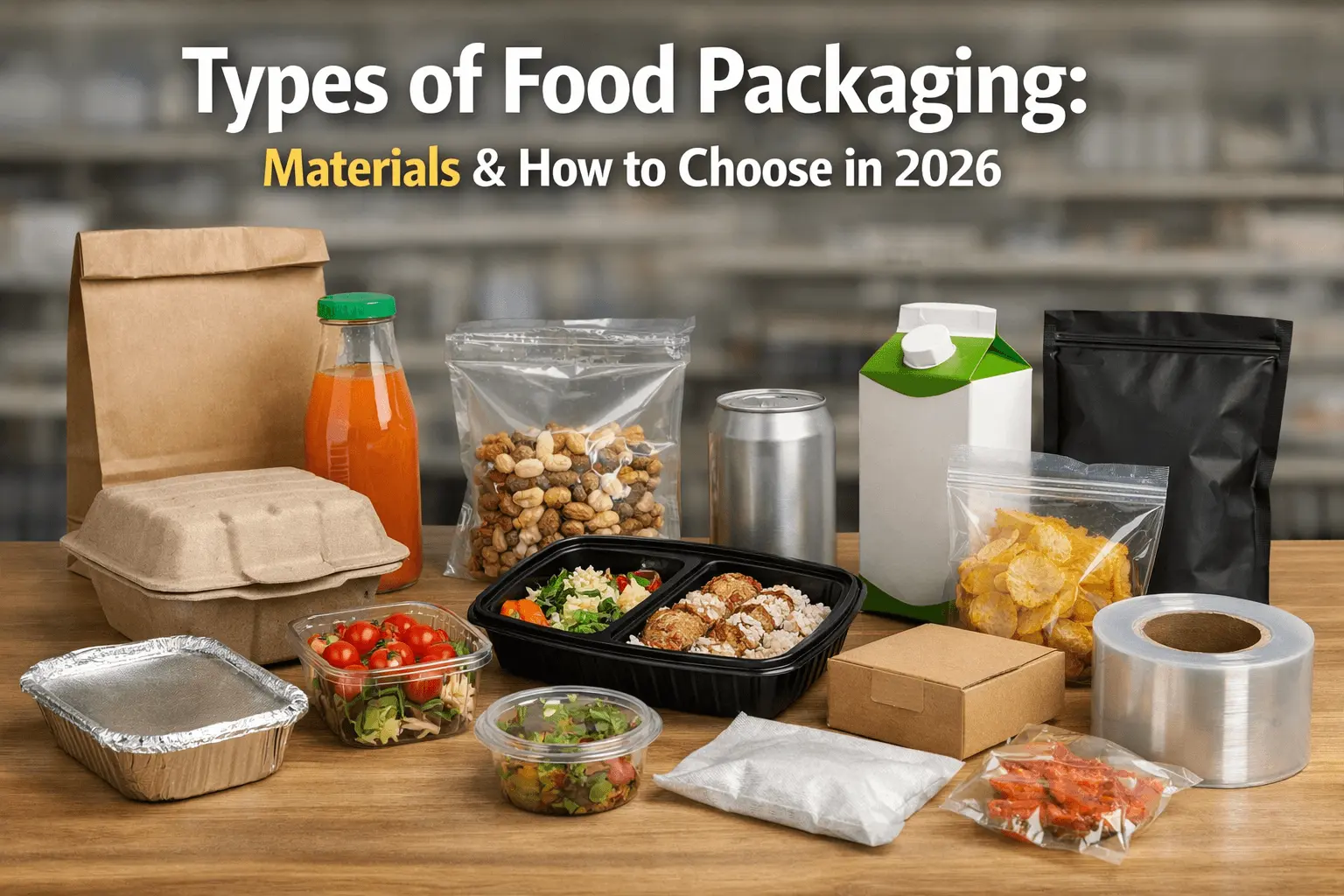
Food packaging is not just wrapping; it serves more. Different researches show that packaging is important for food protection, preservation, and presentation. Selection of the right packaging impacts business reputation and product quality.
Nowadays, businesses are not only focused on product quality. They are also concerned about sustainability. Consumers' growing awareness of packaging helps make more strategic decisions. In this guide, we will explain food packaging, its types, and the available materials. Moreover, we will also explore some competitive options for your brand.
Food packaging is the systematic process of packaging food products in quality materials. Quality materials are selected to ensure food protection from various external factors. It ensures that your food is preserved and visually appealing throughout the process.
One of the most significant roles of custom packaging is protection. Food products are exposed to moisture, air, and contamination risks. They can be damaged during handling and shipping due to inadequate packaging.
Preservation is another important factor. Effective packaging helps to maintain the freshness and slows down bacteria’s growth. Research in packaging industry shows that advancements in packaging reduce global food waste.
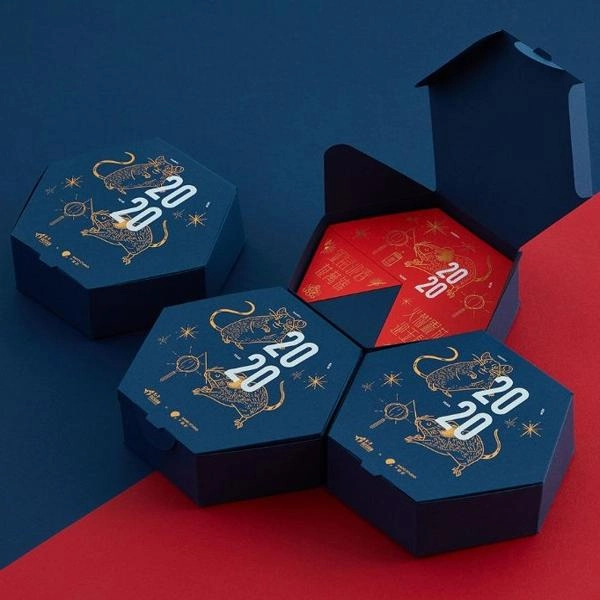
Moreover, packaging also plays a primary role in product branding. Customers usually judge a product through its appearance before even trying it. Creatively designed packaging builds trust to helps your product to stay competitive.
Last but not least, transportation becomes much easier with the right packaging solution. It ensures that food products can be safely and easily moved across long distances. There will be no or less chances of damage and leakage.
Food packaging is structured into three levels, and each serves a different purpose.
Primary packaging is the first layer that comes into direct contact with the food. It includes various items such as plastic wraps, glass jars, and metal cans. The main purpose of this packaging is to keep the food safe and fresh for longer.
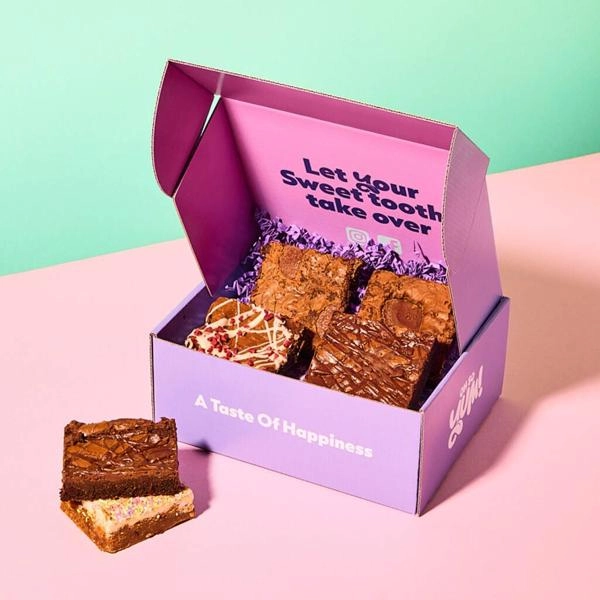
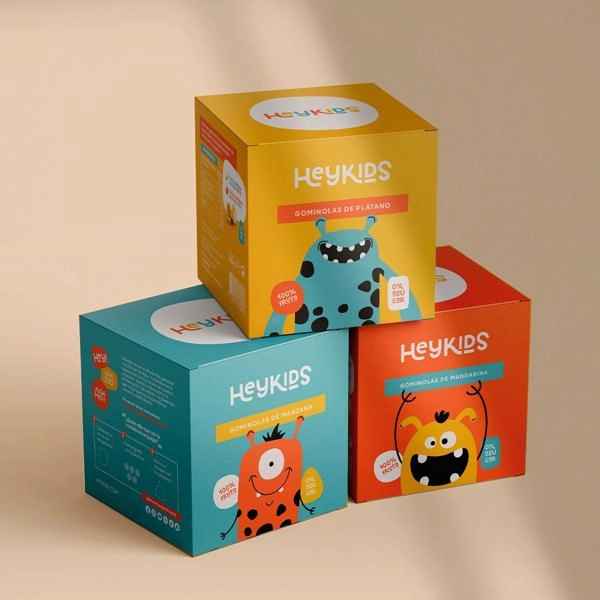
Secondary packaging is used to group different primary packages together. For instance, a box that holds multiple snack packs. It helps with branding and enables an easier handling. Especially in highly competitive retail environments.
Tertiary packaging is a perfect solution for bulk storage and shipping purposes. In this type of packaging, large shipping boxes are included. It is specially designed to enhance product protection during shipping. Moreover, it also ensures smooth product movement.
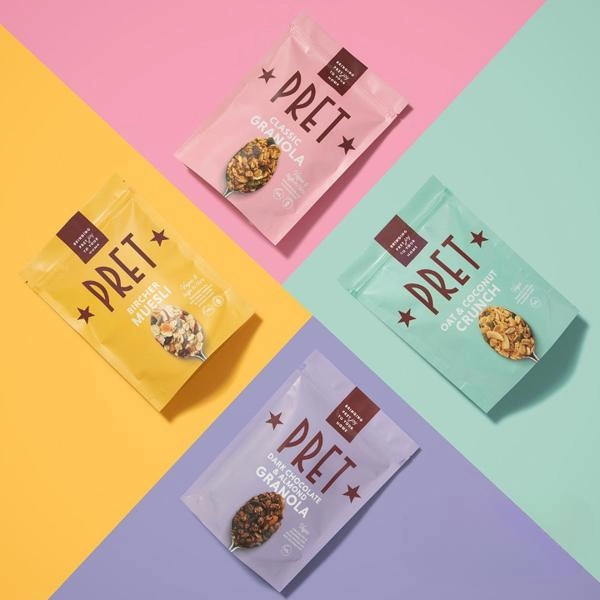
Food packaging comes in various forms, each designed for specific product types. Custom Mylar bags are used for dry food products. They offer excellent protection against air and moisture. Stand-up pouches are popular due to the convenience and ability to stand upright. They are ideally used for snacks and liquid products.
Customized pizza boxes and custom bakery packaging boxes are examples of paper-based packaging. They are designed to maintain product freshness and food structure. Moreover, Chinese takeout boxes and burger boxes are important for portability and convenience.
Cartons are usually used for beverages like milk and juice. They offer a perfect balance between protection and lightweight handling. Food wrapping paper is widely used in fast food for its cost-effectiveness and ease of use.
Material selection is another important decision in custom food packaging. Each material has its own limitations and strengths.
Plastic packaging is known for its flexibility and cost-effectiveness. Thus, it becomes a widely used option. It is usually used for bottles, containers, and wraps. Plastic is highly resistant to moisture. Due to environmental concerns pushed by industries, there is a push to find improved recycling solutions.
Glass packaging gives your product a premium feel and security. It doesn’t react with food because it helps to maintain quality and taste. It is commonly used for sauces, beverages, and preserved food. However, the weight and fragility can increase the shipping cost.
Metal packaging options often used for canned goods. It provides an excellent barrier against light, air, and moisture. It makes it ideal for long shelf life products. Besides its strength, it can be prone to dents and may also involve higher production costs.
Paperboard packaging is used for lightweight packaging. It includes cereal boxes and takeaway boxes. This material is easy to print on, which makes it an ideal branding option. However, it doesn’t perform properly in wet conditions unless coated.
A stronger form of paper-based packaging is known as corrugated cardboard. It is commonly used for outer packaging and shipping purposes. The layered structure of this material offers durability. But it can also absorb moisture if not properly treated.
Biodegradable and sustainable packaging has been getting significant attention in recent years. These materials are made from renewable resources. They are specially designed to naturally break down. They are an ideal solution for eco-conscious brands, but could be more expensive.
Latest food packaging isn’t just about the material. It also includes technologies that may enhance food safety and shelf life.
Good food packaging needs to be aligned with several important criteria. It should be leak-proof to prevent contamination and spills. Strength is also important because packaging must withstand transportation and handling.
Safety is also important; thus, food-grade and non-toxic materials are in higher demand. Airtight packaging helps to maintain the freshness. It also prevent exposure to moisture and air. Efficiency should also not be neglected. Packaging should be easier to stack, store, and transport.
In today’s era, environmental impact is also an important factor. Packaging that supports recycling or biodegradability is competitive for both brands and consumers.
Choosing the right packaging material requires a strategic approach and careful consideration. The first step is about understanding the product need. Different food products need different levels of protection. So, wrong material selection can affect quality standards and shelf life.
Legal compliance and shelf appeal are also important factors. They can’t be neglected in food packaging. Reliable food packaging design needs to be aesthetically appealing and meet safety regulations.
Cost is a significant factor that should be a balanced with quality. Cheap packaging solutions may save money at start but can lead to product damage.
Sustainability is today’s biggest trend shaping the food packaging industry. Consumers are becoming more aware of environmental issues. Thus, businesses are adopting eco-friendly solutions.
Biodegradable materials reduce long-term environmental impact. Thus, growing is shifting towards this adoption. Recyclable packaging is also becoming more popular as international recycling systems improve. Brands are also focusing on reducing unnecessary packaging to cut waste.
In urban markets, reusable packaging systems are also emerging. It allows customers to return packaging for reuse, reducing consumption.
Food packaging is the most critical part in today’s food industry. It works more than protection. It significantly influences consumer's perception of the brand. It also determine the efficiency of product movement. Today’s focus in packaging is smart, creative, and sustainable solutions. Businesses are investing in the right materials and technologies. It build long-term trust with potential customers.
Main types of food packaging are:
Some best food packaging options for best shelf life are:
The safest food packaging materials are Glass and food-grade stainless steel. Their non-reactive properties make them safest material for food packaging.
Biodegradable and recyclable packaging materials are as the most sustainable choices.
Food packaging industry is moving towards:
Reliable food packaging need to be secure, durable and leakproof. It should be compliant with food safety regulations.
Use of recyclable materials can reduce excess packaging. Switching to reusable options can help to reduce waste.

Product Boxes Wholesale helps businesses create a positive impact through customized packaging solutions. Together, we can build amazing product packaging.

© 2025 - Product Boxes Wholesale. All Rights Reserved


 sales@productboxeswholesale.com
